

Brand History - Lacoste
Nowadays, the famous crocodile logo is an icon of the fashion world, instantly recognizable by everyone. As the first brand to ever use a logo on its clothing, Lacoste and the crocodile were pioneers of branding, bringing styles from the tennis court into everyday life.
René Lacoste, the brand's namesake, was always a passionate tennis player - during his career, he won ten Grand Slam titles. He was also an inventor through and through, and sooner or later, these two worlds would collide and create something new.
From Alligator to Crocodile
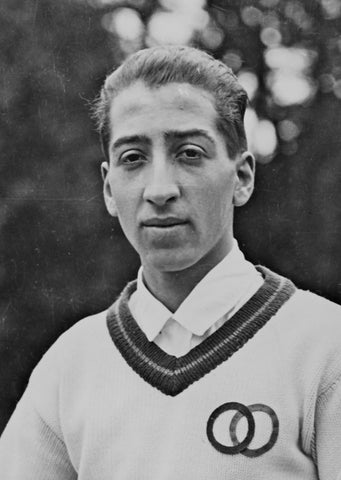
In 1923, 19-year-old René Lacoste bet his team captain that he would win a match against him. The prize? A suitcase made of alligator skin that he saw in a Boston shop window. Although Lacoste lost the match and thus the bet, news of the match and the wager spread among American journalists, who eventually nicknamed René Lacoste "the Alligator," not only as a tribute to the suitcase but also to his unparalleled determination on the court. After his return to Europe, the name changed through translations, and the alligator became "the crocodile." The foundation for the brand was laid.
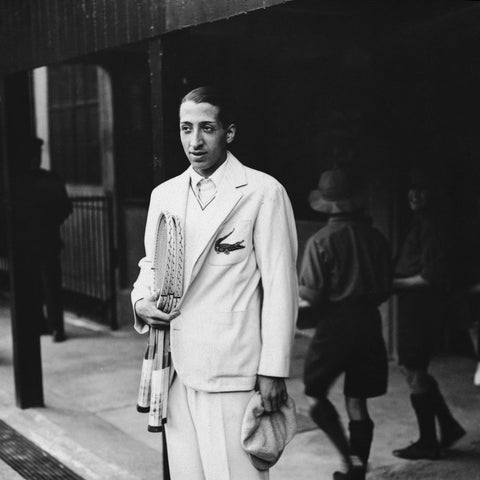
Four years later, in 1927, the crocodile began to take shape when Lacoste's friend and designer Robert George created the famous logo. Lacoste liked it so much that he asked George to put it on his blazers and white jackets, which he wore before matches - the first brand to ever have a logo on its items was born.
The Beginnings of the Polo Shirt
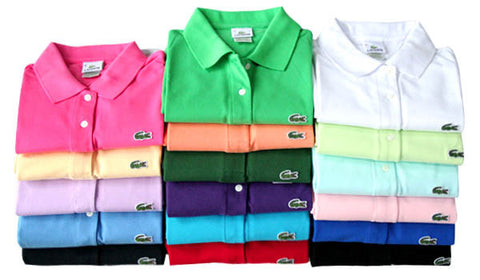
Together with French textile manufacturer André Gillier, Lacoste officially founded the eponymous brand in 1933. In the same year, Lacoste revolutionized tennis wear with the flexible, lightweight polo shirt made of Petit Piqué cotton, known to everyone today. The creation of the polo shirt came about because René Lacoste found traditional tennis clothing too bulky and uncomfortable. From this problem emerged the modern, short-sleeved polo shirt made of lightly knitted piqué cotton with a loose collar and a button placket. Today, the polo shirt can be bought in many different colors, but until 1950, it was exclusively available in white.
Izod Lacoste
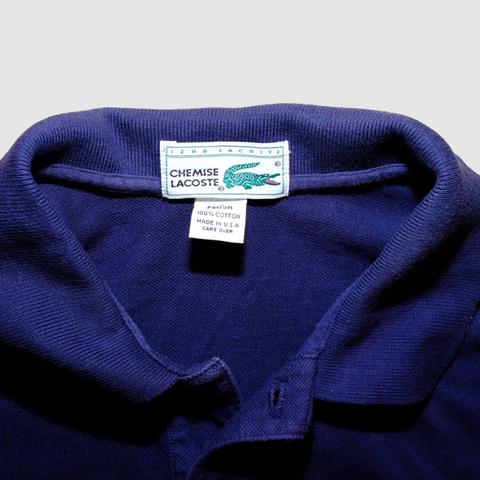
To penetrate further markets, especially outside Europe, Lacoste sold the rights to market the brand in America to David Crystal, the owner of Izod and Haymaker, a brand already established in the US. By adding Lacoste to his portfolio, Crystal hoped to increase the prestige of his brands and introduce a new name to the American market. Since Lacoste stood for a more luxurious status, Crystal opted for a mix of the two brands, creating Izod Lacoste.
The Rise of the Preppy Look
In the late 70s and early 80s, when the preppy look was on the rise and became mainstream, Izod Lacoste reached a peak of popularity in the USA. If you wanted to get the preppy look right, a Lacoste polo shirt with the crocodile logo on the chest was simply a must! The brand's popularity lasted for several more years until the preppy hype faded and Izod Lacoste receded into the background.
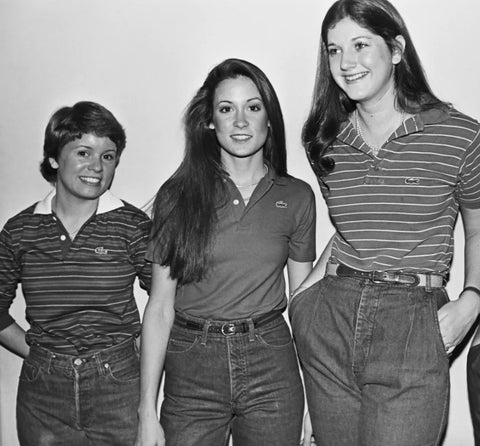
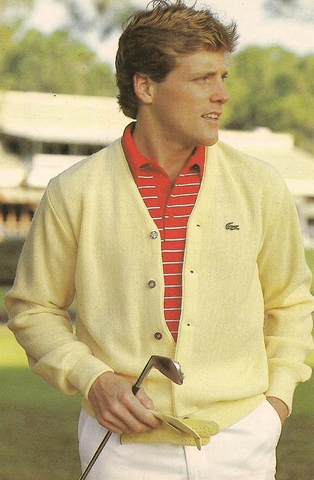
In the early 1990s, the Izod Lacoste name was eventually split again, with the original Lacoste brand moving into the upscale segment to re-establish itself as a brand with an elite and luxurious image, while Izod returned to the mid-range apparel sector. Shortly thereafter, Crystal sold his shares back to Lacoste; Izod was also sold. Today, Izod continues to produce similar piqué polo shirts to Lacoste.
